hpv vaccine
HPV_vaccine
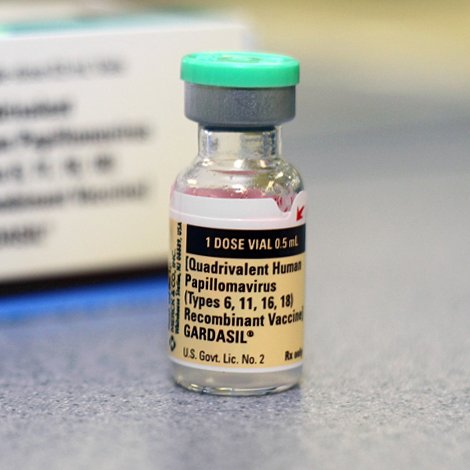
Human papillomavirus (HPV) vaccines are vaccines intended to provide acquired immunity against infection by certain types of human papillomavirus. The first HPV vaccine became available in 2006. Currently there are six licensed HPV vaccines: three bivalent (protect against two types of HPV), two quadrivalent (against four), and one nonavalent vaccine (against nine). All have excellent safety profiles and are highly efficacious, or have met immunobridging standards. All of them protect against HPV types 16 and 18, which are together responsible for approximately 70% of cervical cancer cases globally. The quadrivalent vaccines provide additional protection against HPV types 6 and 11. The nonavalent one provides additional protection against HPV types 31, 33, 45, 52 and 58. It is estimated that HPV vaccines may prevent 70% of cervical cancer, 80% of anal cancer, 60% of vaginal cancer, 40% of vulvar cancer, and show more than 90% effectiveness in preventing HPV-positive oropharyngeal cancers. They also protect against penile cancer. They additionally prevent genital warts (also known as anogenital warts), with the quadrivalent and nonavalent vaccines providing virtually complete protection. The WHO recommends a one or two-dose schedule for girls aged 9–14 years, the same for girls and women aged 15–20 years, and two doses with a six-month interval for women older than 21 years. The vaccines provide protection for at least five to ten years.
The primary target group in most of the countries recommending HPV vaccination is young adolescent girls, aged 9–14. The vaccination schedule depends on the age of the vaccine recipient. As of 2023, 27% of girls aged 9–14 years worldwide received at least one dose (37 countries were implementing the single-dose schedule, 45% of girls aged 9–14 years old vaccinated in that year). As of September 2024, 57 countries are implementing the single-dose schedule. At least 144 countries (at least 74% of WHO member states) provided the HPV vaccine in their national immunization schedule for girls, as of November 2024. As of 2022, 47 countries (24% of WHO member states) also did it for boys. Vaccinating a large portion of the population may also benefit the unvaccinated by way of herd immunity.
Movies

HPV Vaccine: Big Pharma Fraud?
2025-01-29 01:56:23 UTC
Discover the shocking truth about the HPV vaccine. Our personal story reveals vaccine injuries and challenges the narrative of ...

Should you get the HPV vaccine? #shorts
2023-07-07 23:50:08 UTC
HPV stands for human papillomavirus, which is a common sexually transmitted infection. HPV can cause a range of health ...

Truth About the HPV Vaccine: a Megyn Kelly Show Debate and Discussion, with Two Medical Experts
2023-06-05 21:43:57 UTC
Megyn Kelly is joined by medical experts Dr. Kristen Walsh, a pediatrician, and Allison Krug, an epidemiologist, for an in-depth ...
Should You Get the HPV Vaccine?
2012-10-03 21:13:43 UTC
Check out our new website http://www.evanshealthlab.com/ Follow Dr. Mike for new videos! http://twitter.com/docmikeevans Dr.
HPV Vaccine Risks
2009-08-19 12:38:23 UTC
While the majority of side effects of HPV vaccines are not serious, rare cases have been reported in which patients experienced ...
Great Britain - Trends

airdrieonians vs dunfermline athletic
2026-04-14 10:30:00 UTC

cheltenham vs gillingham
2026-04-14 10:30:00 UTC

joanna scanlan
2026-04-14 10:30:00 UTC

prime
2026-04-14 10:30:00 UTC

Prime Video
2026-04-14 10:30:00 UTC

royal air force
2026-04-14 10:30:00 UTC

wealdstone vs boston united
2026-04-14 10:30:00 UTC

commissioner
2026-04-14 09:30:00 UTC

EuroMillions
2026-04-14 09:20:00 UTC

mikel arteta press conference
2026-04-14 09:10:00 UTC