japan tsunami 2011
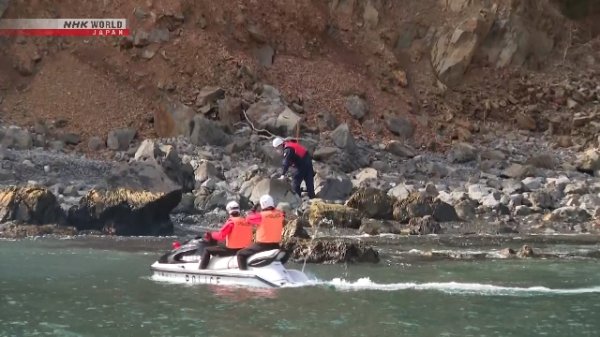
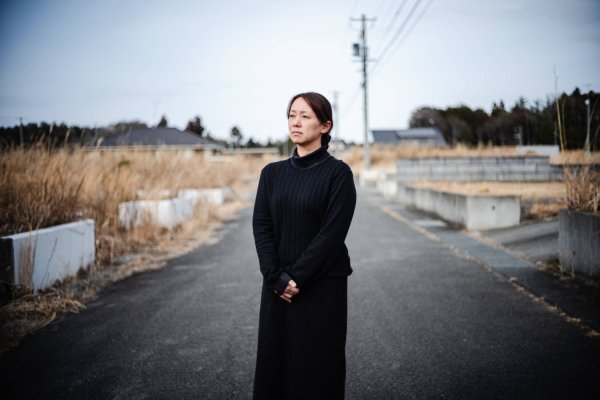
2011_Tōhoku_earthquake_and_tsunami
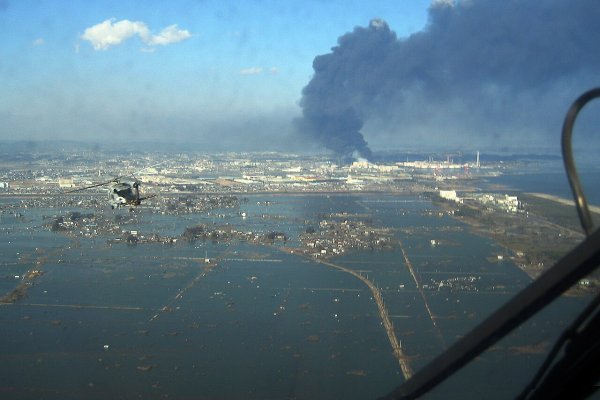
On 11 March 2011, at 14:46:24 JST (05:46:24 UTC), a Mw 9.0–9.1 undersea megathrust earthquake occurred in the Pacific Ocean, 72 km (45 mi) east of the Oshika Peninsula of the Tōhoku region. It lasted approximately six minutes and caused a tsunami. It is sometimes known in Japan as the "Great East Japan Earthquake Disaster" (東日本大震災, Higashi Nihon Daishinsai), among other names. The disaster is often referred to by its numerical date, 3.11 (read San ten Ichi-ichi in Japanese).
It was the most powerful earthquake ever recorded in Japan, and the fourth most powerful earthquake recorded in the world since modern seismography began in 1900. The earthquake triggered powerful tsunami waves that may have reached heights of up to 40.5 meters (133 ft) in Miyako in Tōhoku's Iwate Prefecture, and which, in the Sendai area, traveled at 700 km/h (435 mph) and up to 10 km (6 mi) inland. Residents of Sendai had only eight to ten minutes of warning, and more than a hundred evacuation sites were washed away. The snowfall which accompanied the tsunami and the freezing temperature hindered rescue works; for instance, in Ishinomaki, the city with the most deaths, the temperature was 0 °C (32 °F) as the tsunami hit. The official figures released in 2021 reported 19,759 deaths, 6,242 injured, 284 firefighters dead from attempts to close preventative fire gates, and 2,553 people missing,. A report in 2015 found that 228,863 people were still living away from their home either temporarily or permanently.
Movies
The Worst Tsunami of All Time : 2011 Japan
2025-11-23 22:53:20 UTC
On March 11, 2011, Japan was struck by a 9.0 megathrust earthquake that triggered one of the deadliest tsunamis in modern ...
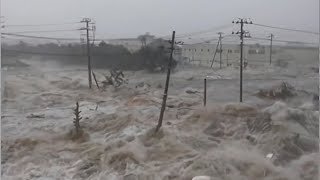
2011 Japan Tsunami - Ishinomaki Gas Inc. (Full Footage)
2022-05-01 13:39:33 UTC
Mr. Koichi Abe of Ishinomaki Gas Inc. recorded the footage from the rooftop of his office near the Ishinomaki fishing port. After the ...
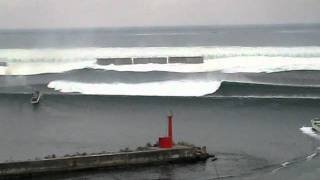
Japan Tsunami 3-11-2011
2011-08-30 20:36:38 UTC
The video was taken at Kuji Port in the Iwate Prefecture and was provided by the Kamaishi Port Office, Ministry of Land, ...
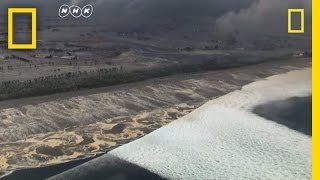
Rare Video: Japan Tsunami | National Geographic
2011-06-13 16:54:04 UTC
June 9, 2011 — The March 11 earthquake and tsunami left more than 28000 dead or missing. See incredible footage of the ...

Watch a massive tsunami engulf entire towns in Japan (2011)
2011-03-12 00:41:41 UTC
A massive tsunami reached up to six miles inland, engulfing entire towns in Miyagi Prefecture on Japan's east coast in March ...
Great Britain - Trends

one piece season 2
2026-03-09 16:30:00 UTC

unc
2026-03-09 16:20:00 UTC

cavaliers vs 76ers
2026-03-09 15:40:00 UTC

Taylor Fritz
2026-03-09 15:40:00 UTC

islamic relief
2026-03-09 15:30:00 UTC

john cantlie
2026-03-09 15:30:00 UTC

JD Vance
2026-03-09 15:00:00 UTC
tomahawk missile
2026-03-09 14:30:00 UTC
panenka penalty
2026-03-09 14:20:00 UTC

ryanair
2026-03-09 13:20:00 UTC