prediction market
prediction_market
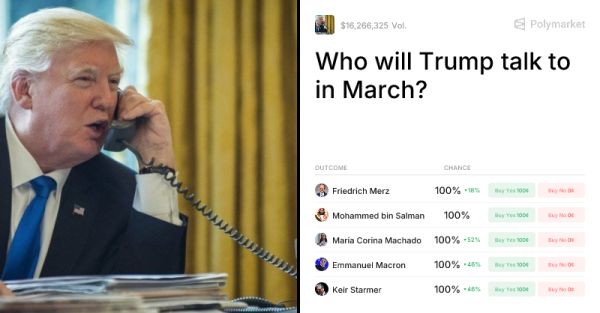
Prediction markets, also known as betting markets, information markets, decision markets, idea futures, or event derivatives, are open markets that enable the prediction of specific outcomes using financial incentives (gambling on real world events). They are exchange-traded markets established for trading bets in the outcome of various events. The market prices can indicate what the crowd thinks the probability of the event is. A typical prediction market contract is set up to trade between 0 and 100%. The most common form of a prediction market is a binary option market, which will expire at the price of 0 or 100%. Prediction markets can be thought of as belonging to the more general concept of crowdsourcing which is specially designed to aggregate beliefs on particular topics of interest. The main purpose of prediction markets are eliciting aggregating beliefs about an unknown future event. Traders with different beliefs trade on contracts whose payoffs are related to the unknown future outcome and the market prices of the contracts are considered as the aggregated belief.
Before the era of scientific polling, early forms of prediction markets often existed in the form of political betting. One such political bet dates back to 1503, in which people bet on who would be the papal successor. Even then, it was already considered "an old practice". According to Paul Rhode and Koleman Strumpf, who have researched the history of prediction markets, there are records of election betting in Wall Street dating back to 1884. Rhode and Strumpf estimate that average betting turnover per US presidential election is equivalent to over 50 percent of the campaign spend.
Movies
How Prediction Markets Turned the World Into a Casino
2026-04-10 08:00:03 UTC
Prediction markets such as Kalshi and Polymarket are booming. The platforms let users effectively wager on everything, from the ...
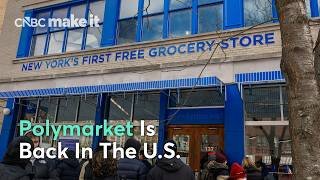
Polymarket Is Back In The U.S. — What To Know About Prediction Markets
2026-02-15 15:00:20 UTC
Prediction market platform Polymarket is hosting a free grocery event for New Yorkers through the weekend. Until recently, the ...
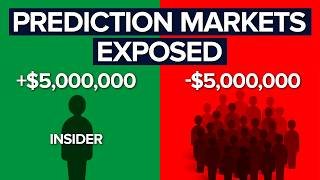
Exposing the Impossible Odds of Winning on "Prediction Markets" (Polymarket + Kalshi)
2026-01-24 14:00:00 UTC
Polymarket and Kalshi have exploded as the hottest prediction markets, but there's a dark side nobody's talking about. In this ...

prediction markets aren't just gambling
2025-12-12 20:55:41 UTC
it's insider trading too support: https://www.patreon.com/coffeezilla disclaimer (updated May 2025): voidzilla is an opinion‑driven ...
Prediction markets: can betting be good for the world?
2021-12-22 18:11:04 UTC
Prediction markets enable you to bet on the outcomes of real-world events by buying shares for those outcomes. Share prices can ...
USA - Trends
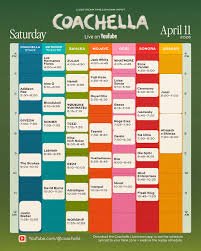
david byrne
2026-04-12 05:10:00 UTC

Jennifer Lopez
2026-04-12 05:00:00 UTC
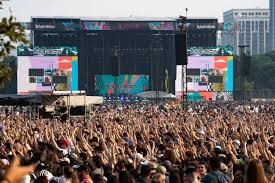
Lollapalooza
2026-04-12 05:00:00 UTC

SZA
2026-04-12 05:00:00 UTC
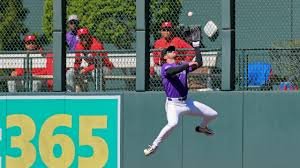
bryan abreu
2026-04-12 04:50:00 UTC

david guetta coachella
2026-04-12 04:50:00 UTC

jp crawford
2026-04-12 04:50:00 UTC

beef season 2
2026-04-12 04:30:00 UTC
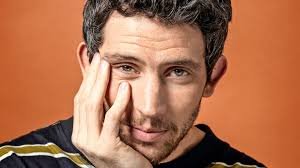
josh o'connor
2026-04-12 04:30:00 UTC

Mariners
2026-04-12 04:30:00 UTC